
Unit 5
Information and Computer Security
5.1Unit Overview
- In Grade 9 you learned the basic concepts of information and computer security.
- Computer viruses can corrupt and damage computers, and they can open security breaches that let another threat, hackers, into the system.
- Simply by being connected to a network and the Internet, school and home computers are exposed to several security risks.
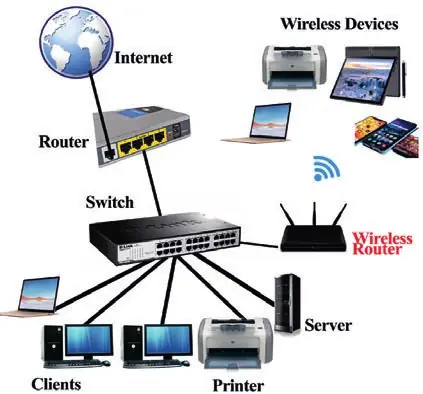
This unit covers information security, computer security, their impact on society, privacy and security, computer security threats, threat prevention strategies and cyber security.
🎯 Learning Outcomes
- Explain information security and computer security.
- Describe the impact of information and computer security on society.
- Distinguish privacy from security.
- Identify computer security threats.
- Apply technical and non-technical threat prevention strategies.
- Explain cyber security and ways of preventing cyber-attacks.
5.2 Information and Computer Security
Definition: Information security (InfoSec) — The practice of defending information from unauthorized access, use, disclosure, disruption, modification, perusal, inspection, recording or destruction.
Definition: Computer security — Information security as applied to computing devices such as computers and smartphones, and to computer networks, private and public, including the whole Internet. It ensures that data stored in computer systems cannot be read or compromised by anyone without authorization. It is also known as cyber security.
Traditionally, information technology facilities have been protected for three reasons.
- To prevent theft of or damage to the hardware.
- To prevent theft of or damage to the information.
- To prevent disruption of service.
- Computer security provides confidentiality, integrity and availability for all the components of a computer system: data, software, hardware and firmware.
- A lack of confidentiality is an unauthorized disclosure of data or unauthorized access to a system.
- A failure of integrity results from unauthorized modification of data or damage to a system or program.
- A lack of availability of computing resources is called denial of service.
- An act or event that has the potential to cause a failure of computer security is called a threat.
🔒
The rest of Unit 5 is in the Danulearn app
Read the full notes for all 6 sections, worked examples and figures, plus 8 exercises with step-by-step solutions, the Short Note and the unit review.
📑 Contents
- 5.2Information and Computer SecurityPreview
- 5.3Impact of Information and Computer Security on Society🔒
- 5.4Privacy and Security🔒
- 5.5Computer Security Threats🔒
- 5.6Threat Prevention Strategies🔒
- 5.7Cyber Security🔒