
Unit 1
Sub-fields of Biology
Introduction
- In Grade 9 you defined biology as the science of life and briefly discussed what biology studies.
- The scope of biology is so broad that it contains many branches and sub-disciplines.
- In this unit you will study the sub-fields of biology, learn to classify them into pure and applied fields, look at the major discoveries that revolutionised biology, appreciate what those discoveries have done for society and the environment, and meet some of the Ethiopian biologists whose work has changed lives in Ethiopia and beyond.
🎯 Learning Outcomes
- List the sub-fields of biology and define each of them.
- Classify the different sub-fields of biology into pure and applied fields.
- Discuss at least five major discoveries that revolutionised biology.
- Appreciate the contribution of biological discoveries (the microscope, penicillin, inheritance, etc.) to society and the environment.
- Appreciate Ethiopian scientists (Aklilu Lemma, Gebissa Ejeta, Yalemtsehay Mekonnen) and their discoveries.
1.1 Sub-fields of Biology
- Based on the type of organism it studies, biology is subdivided into three major branches: Zoology (animals), Botany (plants) and Microbiology (microscopic organisms).
- In addition to these three sub-fields there is a huge array of sub-disciplines.
- Many have been around for hundreds of years, while others are far newer and are often developing very rapidly.
Zoology
- Zoology (animal biology) is the study of animals.
- It includes disciplines such as herpetology (reptiles), ichthyology (fish), mammalogy (mammals), ornithology (birds) and entomology (insects).
- Zoology is concerned with all aspects of animal life: embryonic development to mature adulthood, behaviour such as interactions with other animals or food finding, and genetics.
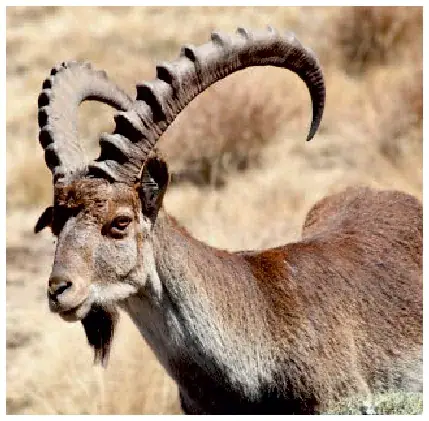
- The Walia ibex (Capra walie), an endemic wild animal found in the Simien Mountains of Ethiopia, is.
Botany
- Botany is the field of biology that studies plants.
- It deals with plants’ structure, properties and biochemical processes, and also studies the classification and diseases of plants and their interactions with the environment.
- The principles and findings of botany have provided the base for applied sciences such as agriculture, horticulture and forestry.
- Plants have long been used as a source of food, shelter, clothing, medicine, ornament and tools.
- Green plants are essential to all life on Earth: through photosynthesis they convert energy from the Sun into the chemical energy of food, which allows all life to exist, and they release oxygen as a by-product.
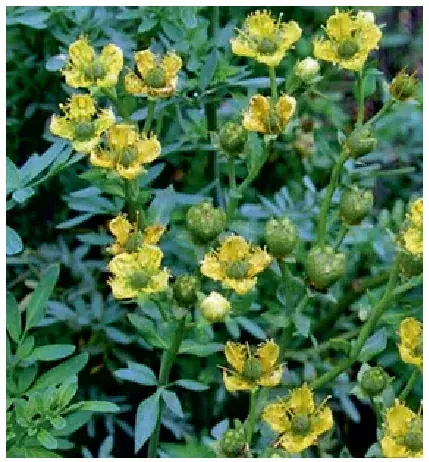
- Ruta chalepensis L.
- (‘Tena Adam’ in Amharic), a well known traditional herbal medicine of Ethiopia, is.
Microbiology
🔒
The rest of Unit 1 is in the Danulearn app
Read the full notes for all 5 sections, worked examples and figures, plus 6 exercises with step-by-step solutions, the Short Note and the unit review.
📑 Contents
- 1.1Sub-fields of BiologyPreview
- 1.2Pure and Applied Fields of Biology🔒
- 1.3Major Discoveries that Revolutionised Biology🔒
- 1.4The Contributions of Biological Discoveries to Society and the Environment🔒
- 1.5Ethiopian Biologists and their Contributions🔒
✍️ Practice questions
5 questions from the Unit 1 quiz. Choose an answer, then check it.
- 1
The study of animals is called:
- ABotany
- BEcology
- CZoology
- DMicrobiology
Show answer
C Zoology
- 2
The study of plants is called:
- APhysiology
- BBotany
- CMycology
- DZoology
Show answer
B Botany
- 3
The study of microorganisms is called:
- ABotany
- BGenetics
- CZoology
- DMicrobiology
Show answer
D Microbiology
- 4
A field of biology pursued mainly to gain knowledge without immediate practical application is called:
- APure biology
- BTechnology
- CEngineering
- DApplied biology
Show answer
A Pure biology
- 5
A field of biology that uses biological knowledge to solve practical, real-world problems is called:
- APure biology
- BDescriptive biology
- CApplied biology
- DTheoretical biology
Show answer
C Applied biology